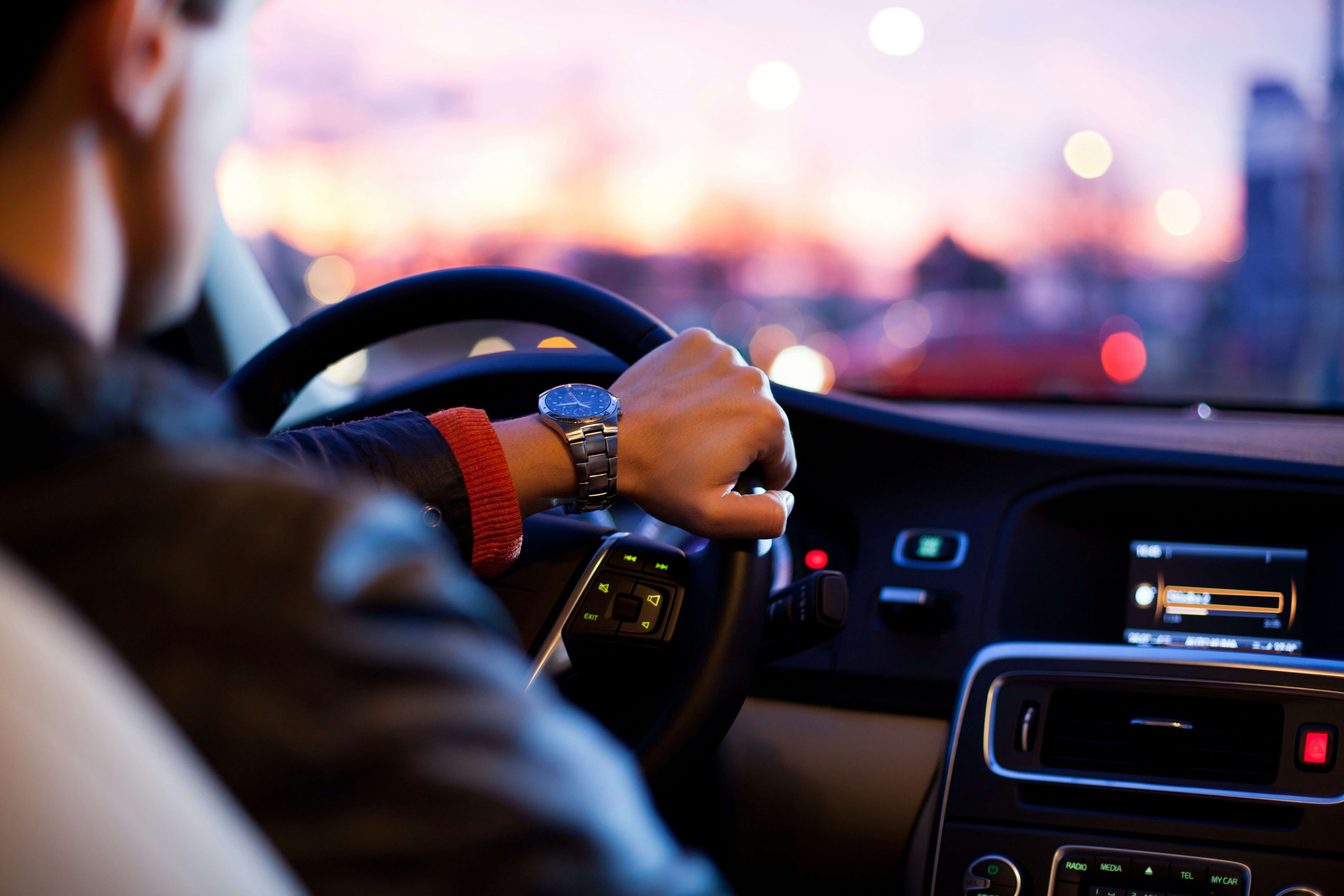
With gasoline prices continuing to pressure household budgets in 2026, the daily commute has become a significant financial hurdle. However, recent vehicle efficiency studies indicate that the average driver can reduce fuel consumption by 15% to 25% simply by adjusting their driving habits and vehicle maintenance.
Based on our testing and latest automotive data, here are the most effective strategies to maximize your MPG (Miles Per Gallon) today.
1. Master the “Gentle Launch”
The single biggest fuel waster is aggressive acceleration. In 2026, modern engines are designed to be highly efficient, but “flooring it” bypasses these systems, dumping excess fuel into the cylinders.
- The 5-Second Rule: Aim to take 5 seconds to reach 15 mph (25 km/h) from a dead stop.
- The Coffee Cup Visual: Imagine an open cup of coffee on your dashboard; your goal is to accelerate without spilling a drop.
2. Find the “Sweet Spot” Speed
Aerodynamic drag increases exponentially as you speed up. While you might want to shave five minutes off your commute, the cost at the pump is rarely worth it.
- The 65 MPH Rule: Most passenger vehicles manufactured in the last five years are geared for peak efficiency at approximately 65 mph (105 km/h).
- The Cost of Speed: Driving at 75 mph can use up to 20% more fuel than driving at 65 mph, despite only saving a few minutes on a standard 30-mile commute.
3. Leverage Modern Vehicle Tech
If your vehicle was made after 2020, it likely has tools designed specifically for this purpose.
- Don’t Disable Start-Stop: That “Auto-Stop” feature that turns off your engine at red lights can save up to 10% in city traffic. Resist the urge to turn it off.
- Adaptive Cruise Control: Use this on the highway to maintain a steady pace. Constant speed fluctuations (the “gas-brake-gas” cycle) are a primary cause of poor fuel economy.
4. Technical Maintenance: The “Monthly Three”
A poorly maintained car can increase fuel consumption by as much as 25%.
| Action Item | Impact on Efficiency | Frequency |
| Check Tire Pressure | Improves MPG by up to 3% | Monthly |
| Replace Air Filters | Prevents engine strain | Every 15k miles |
| Remove Roof Racks | Reduces drag by 10% | When not in use |
Pro-Tip: Every 1 PSI drop in all four tires can lower your gas mileage by 0.2%. Check your pressure in the morning when the tires are cold for the most accurate reading.
5. Coast to the Red Light
Every time you brake, you are essentially wasting the energy (gasoline) you used to get moving.
- Anticipate Traffic: Scan the road 15 seconds ahead. If you see a red light or slowing traffic, take your foot off the accelerator immediately and coast.
- Engine Braking: In manual or semi-automatic cars, downshifting allows the engine’s resistance to slow you down, which uses zero fuel in many modern fuel-injection systems.
6. Route Optimization for 2026
The shortest route isn’t always the cheapest. In 2026, AI-driven navigation apps (like Google Maps or Waze) have “Eco-Friendly” routing enabled by default.
- Avoid the “Hill Climb”: Heavy inclines significantly drain fuel. If an alternative route is slightly longer but flatter, it often results in better MPG.
- Combine Errands: Avoid “Cold Starts.” A warm engine is much more efficient; try to stop for groceries or gas on your way home from work rather than making a separate trip later.
7. Manage Your Climate Control
In 2026, air conditioning systems are more efficient than ever, but they still put a load on the engine.
- Low Speeds: Open the windows to stay cool.
- High Speeds (>50 mph): Use the A/C. Open windows at highway speeds create massive wind drag that is actually more expensive than running the air conditioner.
Editorial Note
At sparkofamber.com, we are committed to providing data-driven insights to help our community navigate modern life efficiently. Our team rigorously researches automotive trends to ensure you get the most out of every gallon.